
Do I Need a Permit to Remodel in Denver? (2026 Guide)
Denver remodel permit requirements depend on the type of work, not the room it happens in. The city issues trade permits for electrical, plumbing, and mechanical work, and it says structural work cannot go through its fast quick permit process. Confirm your exact scope with the city before demolition starts, and use the breakdown below to know what to ask.
What Are the Denver Remodel Permit Requirements by Type of Work?
Denver’s quick permit page lists the residential trade work the city can permit without a plan review. It is a useful map of how the city sorts remodel work:
- Electrical: panels and subpanels, wiring, lighting, receptacles, GFCI outlets, appliances, EV chargers, and service upgrades rated 400 amps or less (single-phase only)
- Plumbing: fixtures such as sinks, tubs, showers, and toilets, plus water heaters, water service, and gas piping outlets
- Mechanical: ductwork, exhaust and ventilation systems, range hoods, forced-air heating, gas piping, fireplaces, and water heaters
- Roofing and siding: new roofs, certain repairs and replacements, and exterior wall coverings, with roof permits applied for separately from the general construction permit
What Is a Quick Permit, and When Does It Not Apply?
A quick permit is a trade-specific permit that the city can issue without a plan review. Most projects do not qualify, so do not assume yours will.
- Structural work is excluded. The city says most projects cannot be permitted this way, and it names structural work specifically.
- Like-for-like only. Repairs or replacements that are not like-for-like, or that require other upgrades, are excluded.
- Larger electrical services are excluded. The 400 amp limit applies to eligible electrical work.
- Accuracy matters. A permit obtained through false statements or misrepresentations may be revoked.
Any remodel that changes the structure of your home falls outside this process, which is why a whole-house project usually needs more than a single trade permit.
Do Kitchen, Bathroom, and Basement Remodels Need Permits?
Rooms bundle several trades, so your permit list depends on what each room involves:
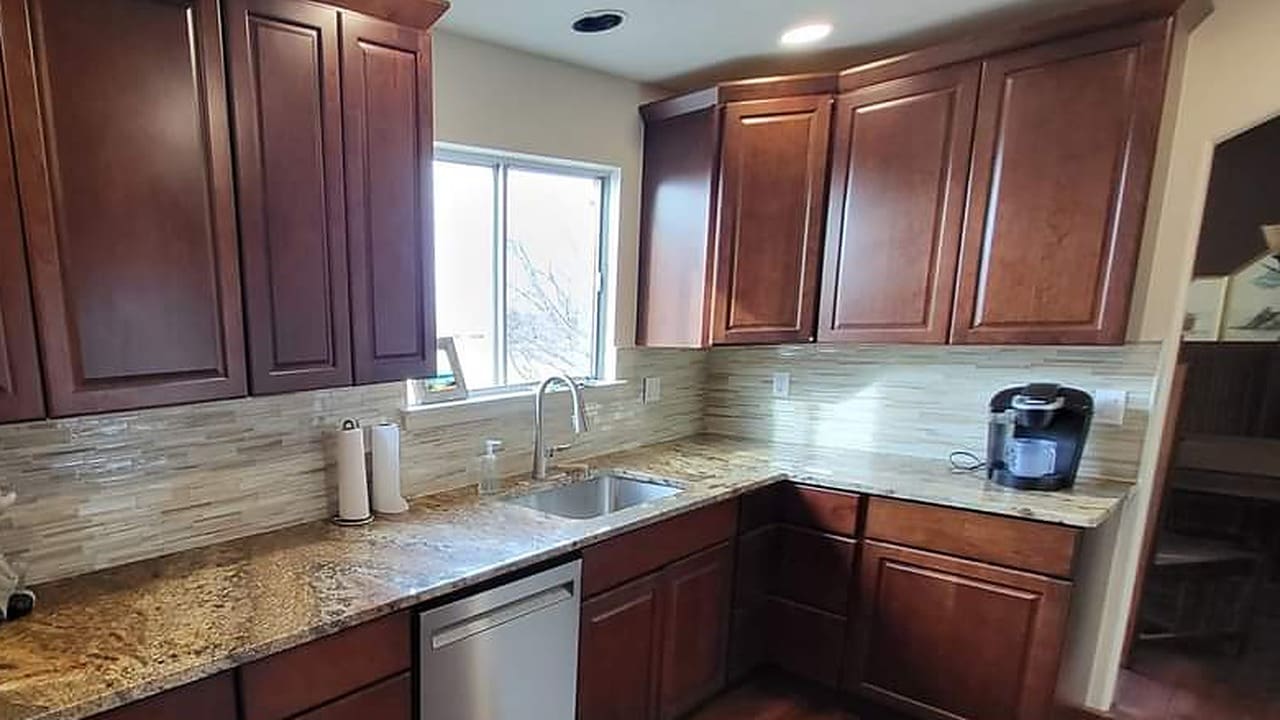
- Kitchen: range hoods, gas piping, appliance circuits, and sink plumbing all fall into the trade categories above. If you are planning a kitchen remodel, ask which of these your layout touches.
- Bathroom: sinks, tubs, showers, toilets, GFCI outlets, and exhaust fans fall into the plumbing, electrical, and mechanical categories.
- Basement: wiring, plumbing, and heating and ventilation fall into the trade categories, and any structural change falls outside the quick permit process.
Ask your contractor to name each permit your scope needs and who will apply for it.
Can I Pull My Own Remodel Permit in Denver?
Sometimes. The city’s homeowner permit page sets firm limits.
Who Qualifies for a Homeowner Permit?
- Single-family homes only. Homeowners cannot pull permits for ADUs, townhomes, condos, or duplexes.
- Owner and resident. You must be the legal owner and live in the home, and permits cannot be issued to trusts, LLCs, or corporations.
- One year of residence. You must live in the home for at least one year after the work is complete.
- Trade exams. You must pass an exam before doing electrical, plumbing, or mechanical work. A state license can substitute for the electrical or plumbing exam.
What If You Act as Your Own General Contractor?
You can hire licensed subcontractors, and each one applies for their own trade permit. You remain responsible for the work under your permit, and your request letter must say that you will hire contractors licensed in the City and County of Denver for anything you do not perform yourself.
If that is more than you want to manage, our team can walk through your scope with you. See our remodeling services to learn how we work.
Does a Historic District Change the Permit Path?
It can. The city says projects affecting the exterior of a local landmark or a property in a historic district need a Certificate of Appropriateness before you apply. Minor interior remodels with no exterior changes are the exception.
What Should You Do Before You Call a Contractor?
- List the trades your project touches: electrical, plumbing, mechanical, or structural
- Note any change to the home’s structure, since that rules out the quick permit process
- Check whether the property is in a historic district
- Confirm who owns and lives in the home, because homeowner permits depend on it
- Ask for permits as a separate line in every bid, along with who applies for each one
When you are ready to talk through your project, talk with our team and we will help you sort out the questions to bring to the city.
Frequently Asked Questions
Only for a single-family home that you legally own and live in. Denver does not allow homeowner permits for ADUs, townhomes, condos, or duplexes, and trade work requires a licensed contractor or passing the city’s homeowner exam.
A quick permit is a trade-specific permit for work such as electrical, plumbing, mechanical, and roofing that the city can issue without a plan review. Structural work and repairs that are not like-for-like do not qualify.
If the work affects the exterior of a landmark or a property in a historic district, you need a Certificate of Appropriateness before applying for a permit. Minor interior remodels with no exterior changes are the exception.
Related service pages: custom home builds, ADU construction in Denver, kitchen remodels, bathroom remodels, and basement remodels.
