
ADU Builder in Denver: Design, Permits, and Construction
Last updated: November 18, 2026
Hammer Hero LLC is an ADU builder Denver homeowners hire for backyard cottages, garage conversions, basement suites, and attached additions. Since 2015, our licensed general contractor team has guided accessory dwelling units from design and city permits through construction and the final walkthrough. We serve Denver and the Front Range within about 50 miles. A typical ADU runs about $150,000 to $300,000 for a full build, including permits and utility hookups. Call (720) 327-5898, Monday through Friday, 8:00 AM to 4:00 PM, to start a consultation.
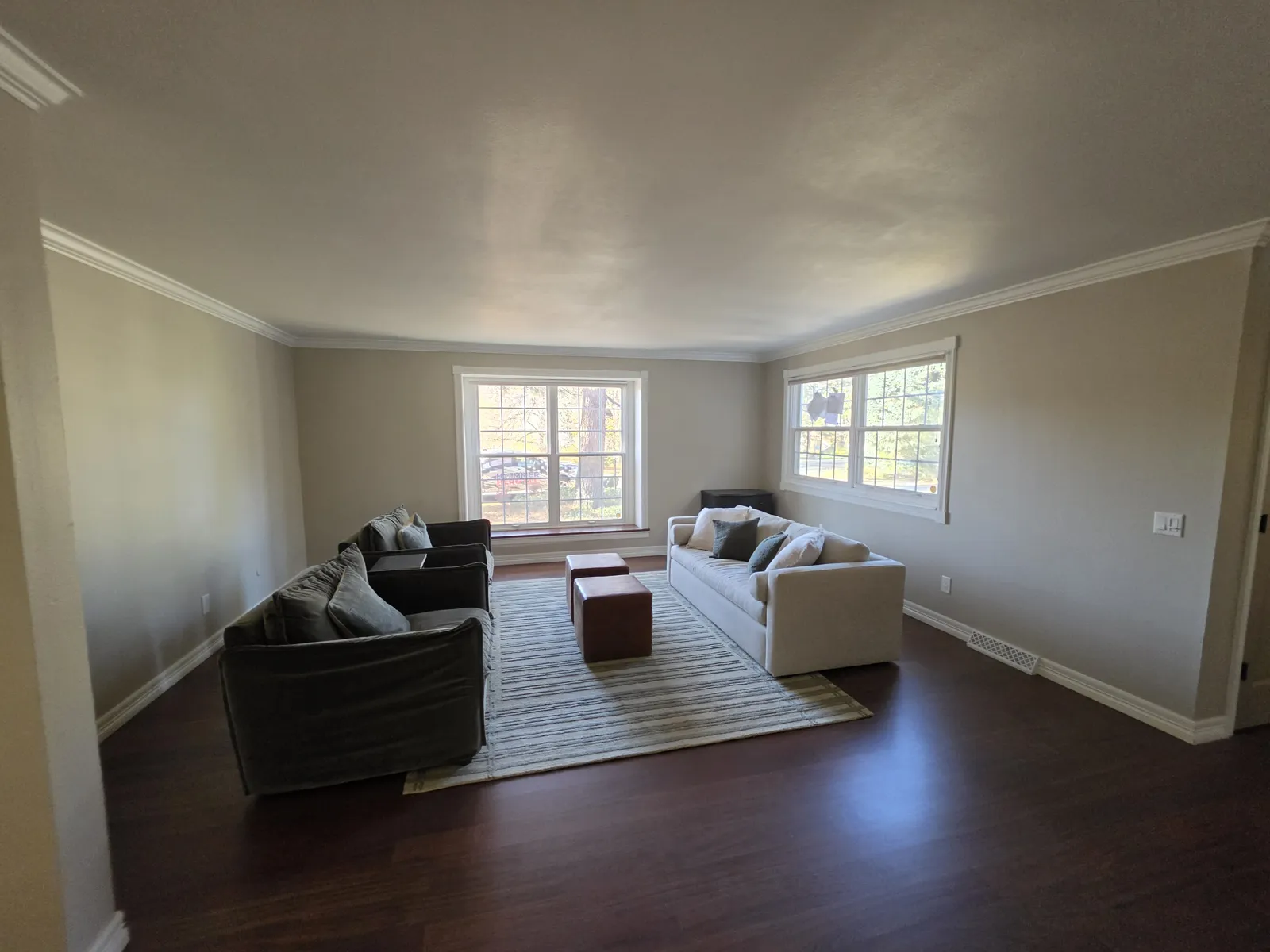
Ready to talk about an ADU in Denver? Call Hammer Hero LLC at (720) 327-5898 or email hammerheropro@outlook.com. You can also use our contact page. Hours are Monday through Friday, 8:00 AM to 4:00 PM. Our office is at 3230 W Mississippi Ave, Denver, CO 80219.
Can I build an ADU on my Denver property?
In Denver, ADUs are allowed in all zone districts that allow new single-unit dwellings, under a city measure that took effect December 16, 2024. Only one ADU is allowed per primary dwelling unit. In single-unit zone districts, the owner must live in the main house when applying for permits, unless the house and ADU are built together.
That citywide change is the Citywide Accessory Dwelling Units measure, passed by Denver City Council on November 18, 2024, and effective December 16, 2024. Community Planning and Development says it allows ADUs on about 70% of Denver’s land, up from 36% before the measure. It also implements Colorado House Bill 24-1152. If the owner later moves off the property, the city says the ADU may still be used. In single-unit zone districts, the ADU must have the same owner as the primary house. The unit cannot be reached by a separate driveway from the one serving the main home, unless new access is provided from an alley. Mobile homes, recreational vehicles, tiny homes on wheels, and travel trailers cannot be used as an ADU. The City and County of Denver does not review HOA or metro-district rules, so you should still check those separately.
A 2023 project, often called ADUs in Denver, is different from that citywide allowance. In 2023, Denver updated design standards so height, setbacks, bulk plane, and other form rules vary by neighborhood context, instead of one template for the whole city. Those district-specific standards still matter, but you generally no longer have to rezone a residential lot just to be allowed an ADU.
If your lot is in Englewood, the rules are different, including an 800-square-foot cap on attached and detached units. See our Englewood ADU page.
How much does a Denver ADU cost?
A typical Denver ADU from Hammer Hero is about $150,000 to $300,000 for a full build, including permits and utility hookups. The final figure depends on type, size, finishes, and site work. A garage or basement conversion sits at the low end of that range if the structure is sound. A new detached unit can sit higher. We will put your scope in writing before work starts.
That range is for a full ADU build, including permits and utility hookups, not a second house on a new lot. Official Denver Water system development charges for many detached units are listed in the utility section below so you can see the current public fees. If you are considering a full custom home instead of a backyard unit, see our custom home builder page.
How long do permitting and construction take?
A Denver ADU has two clocks: design and city permits first, then construction. Zoning, building, and sewer permits are filed in e-permits, and review time depends on a complete submittal and city workload. After permits are issued, a typical ADU takes about 6 to 9 months to build. Weather and the type of unit can affect the calendar. We will give you a written schedule for your project.
Projects that upload all required zoning, building, and sewer-use documents with the first application can receive a simultaneous review. Denver publishes average plan-review times on its Plan Review Dashboard, and those times can change. We will not start construction until the required permits are in hand.
What types of ADUs can you build?
We can design and build a detached backyard unit, a garage unit, an attached addition, or an internal suite in a basement or attic. In Denver’s building code, a detached ADU is treated as a single-family dwelling, and an attached or internal ADU is treated as a two-family dwelling. The right type depends on your lot.
A detached ADU can stand in the backyard or be built above a detached garage. An attached ADU can be an addition or converted space inside the main house, such as a basement or attic. Every ADU needs its own entrance, a kitchen (partial or full), a bath, and a sleeping area. The best path depends on privacy, budget, and what the zoning envelope will allow.
Who pulls the permits, and does Denver require a licensed contractor?
Yes. Denver requires a licensed contractor to build an ADU; homeowners cannot apply for those permits. A new ADU needs zoning, building, and sewer use and drainage permits, filed in e-permits as a New Accessory Dwelling Unit, plus trade permits. Hammer Hero is a licensed general contractor and coordinates that submittal.
Apply in e-permits under Development Services, choose a building log, then select project classification Single Family/Duplex Residential and project scope New Accessory Dwelling Unit. Trade permits for electrical, plumbing, and mechanical work are also required. If you are removing an existing structure, a demolition permit may be required. New construction or additions over 500 square feet, on applications submitted on or after September 1, 2026, must also follow Denver’s Universal Recycling and Composting Ordinance, including a waste diversion plan and a refundable performance security deposit before the related permit is issued.
What size, height, and utility rules apply to a Denver ADU?
Denver does not use one citywide square-footage or height cap. The Zoning Code sets height, size, setbacks, and bulk plane by zone district, after a 2023 update that replaced a one-size-fits-all standard. For water, a detached ADU may need a new Denver Water license and a system development charge. We check your lot before design is locked.
Community Planning and Development states that the Denver Zoning Code regulates the height, size, and placement of ADUs. Official city materials from the 2023 standards update also note more flexibility for two-story ADUs in more urban areas, and generally one-story ADUs in suburban neighborhoods, but the numeric limits are in the code for your specific zone district. We will not quote a single citywide cap that does not exist.
On utilities, the city says that where feasible, water, electric, sewer, and other utilities should be provided from shared systems. For Denver Water service to a detached ADU that has sleeping, cooking, and sanitation, a new water supply license may be required, and a system development charge (also called a tap fee) applies. The current Denver Water schedule, effective July 1, 2026, lists that ADU charge at $2,170 inside Denver and $3,030 outside Denver. Approved fees effective January 1, 2027, are $2,260 inside Denver and $3,160 outside Denver. If the property’s water service line is not copper, Denver Water requires replacing it from the main to the first copper or brass fitting, and the tap cut must be witnessed by Denver Water. A separate address is also required, and a shared sewer service needs a city-prepared covenant recorded before the certificate of occupancy. New dwelling construction also typically needs a survey and a geotechnical soils report with the permit submittal.
Official Denver sources
- ADU permits and zoning rules
- Citywide ADUs measure (passed November 18, 2024; effective December 16, 2024)
- Denver Zoning Code
- Denver e-permits
- Denver Water ADU page
- Denver Water system development charges
- Colorado HB24-1152 guidance
- URCO construction and demolition recycling
What happens after the ADU is built?
Before anyone can live in a Denver ADU, the unit needs its own address, passed inspections, and a Certificate of Occupancy. If the ADU shares a sewer service, the city requires a recorded covenant before the certificate of occupancy. We coordinate inspections and the close-out so the unit is legal to occupy.
Short-term rentals, including short-term rentals of ADUs, are highly regulated in Denver and require licenses. If that is part of your plan, confirm the current licensing rules before you design the unit around that use.
Build a legal ADU on your Denver lot
An accessory dwelling unit that fits your family, your lot, and Denver’s rules starts with a conversation. Call Hammer Hero LLC at (720) 327-5898 or email hammerheropro@outlook.com to schedule a consultation. You can also reach us at https://hammerheros.com/contact-us/.
If you also need work in the main house, these pages may help:
- Kitchen remodeling
- Bathroom renovations
- Basement remodeling
- Custom home builds
- Englewood ADUs
- About Hammer Hero
Planning an ADU in a specific neighborhood? See our guides for Cherry Creek, Washington Park, Highland and West Highland, and Bonnie Brae.
Hammer Hero LLC
3230 W Mississippi Ave, Denver, CO 80219
(720) 327-5898
hammerheropro@outlook.com
Monday through Friday, 8:00 AM to 4:00 PM. Saturday and Sunday closed.
Last updated: November 18, 2026